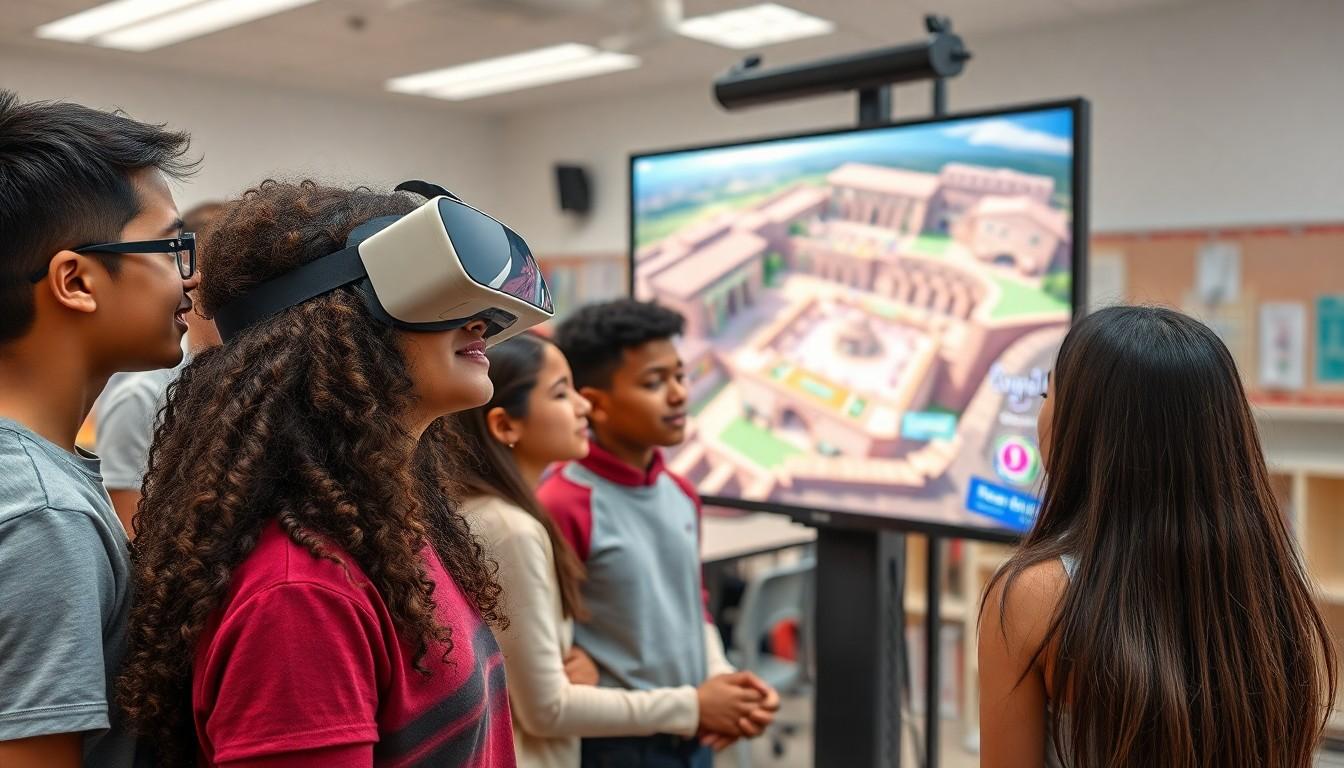
Imagine stepping into a world where learning feels less like a chore and more like an adventure. Immersive learning experiences are transforming education, turning mundane lessons into thrilling escapades that engage the mind and spark creativity. Gone are the days of boring textbooks and endless lectures. Now, learners can dive into interactive simulations, virtual realities, and hands-on activities that make knowledge come alive.
What Are Immersive Learning Experiences?
Immersive learning experiences engage learners through interactive and participatory methods. Such approaches promote deeper understanding and retention of knowledge by placing learners in dynamic environments.
Definition and Overview
Immersive learning experiences integrate real-world activities and digital enhancements. This method involves simulations, virtual reality environments, and interactive models that allow learners to explore concepts actively. By merging hands-on experiences with technology, immersive learning creates memorable moments that significantly improve knowledge retention. Educators aim to foster critical thinking skills, creativity, and collaboration through these experiences.
Types of Immersive Learning Experiences
Various types of immersive learning experiences exist, each designed to cater to different learning styles. Virtual reality immerses users in digital environments, enabling engagement with 3D simulations. Augmented reality blends real-world elements with digital content, enhancing the learning experience. Interactive simulations allow learners to experiment in controlled scenarios, reinforcing practical skills. Furthermore, role-playing activities promote empathy and understanding by placing learners in others’ shoes. Choosing the right type depends on learning objectives and the audience’s needs.
Benefits of Immersive Learning Experiences
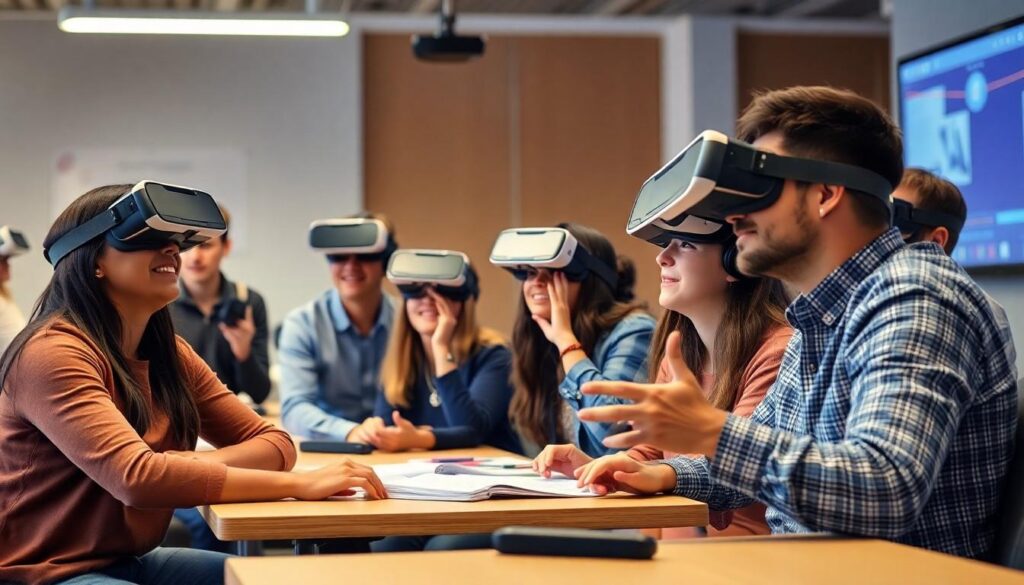
Immersive learning experiences offer significant advantages for learners. They enhance engagement and improve retention through dynamic and interactive methods.
Enhanced Engagement
Immersive learning engages participants by placing them in real-world scenarios. Interactive simulations capture attention better than traditional lectures. Participants connect with content through hands-on activities that stimulate curiosity. Reality-based learning experiences allow for exploration and discovery, encouraging active participation. These methods also foster collaboration among learners, enabling teamwork and communication skills development. Evidence shows that learners involved in immersive experiences report higher satisfaction levels and greater enthusiasm for learning.
Improved Retention
Retention of knowledge improves significantly through immersive experiences. Engaging with material in meaningful contexts leads to better understanding. Studies indicate that learners who participate in immersive activities recall information more effectively. Real-world applications reinforce concepts, making them applicable and memorable. Additionally, experiential learning encourages critical thinking, which plays a vital role in long-term retention. Immersive experiences create emotional connections to content, leading to lasting impressions and deeper knowledge retention.
Technologies Driving Immersive Learning Experiences
Technologies like virtual reality and augmented reality play significant roles in creating immersive learning experiences. These innovations transform traditional education by allowing learners to interact with content in engaging ways.
Virtual Reality (VR)
Virtual reality immerses users in a fully digital environment. This technology creates simulations where learners can practice real-world skills in a safe space. For example, medical students can perform surgeries in VR before working on actual patients. Research shows that VR enhances knowledge retention, as users can explore scenarios that require critical thinking and decision-making. Participants often report increased motivation and excitement when using VR, making the learning experience more enjoyable.
Augmented Reality (AR)
Augmented reality overlays digital information onto the real world, enhancing the learning environment. This technology allows users to visualize complex concepts by integrating graphics into their physical surroundings. For instance, AR can bring historical events to life through interactive experiences. Studies suggest that AR fosters a deeper understanding of subjects, as learners can engage with material directly. This method also encourages collaboration among learners, as they work together to explore augmented elements in real-time.
Applications of Immersive Learning Experiences
Immersive learning experiences find applications across various sectors, including education and corporate training, to enhance engagement and retention.
Education
In education, immersive learning experiences transform traditional classroom settings. Virtual reality (VR) allows students to explore historical sites or scientific concepts, creating dynamic learning opportunities. Augmented reality (AR) makes complex subjects more tangible by integrating digital content with real-world environments. Interactive simulations provide safe spaces for students to practice skills and concepts, reinforcing knowledge retention. Role-playing activities engage students in critical thinking and enhance problem-solving capabilities. By catering to diverse learning styles, immersive educational tools ensure students connect deeply with material.
Corporate Training
In corporate training, immersive learning experiences improve employee skills and engagement. Virtual simulations train employees for high-stakes situations, such as emergency responses or customer interactions, without real-world risks. Augmented reality overlays crucial information during on-the-job training, promoting immediate application of knowledge. Collaborative experiences foster teamwork and communication among employees, enhancing overall productivity. Companies report increased retention of training content through immersive methods compared to traditional training programs. The effectiveness of these experiences in skill acquisition makes them valuable for organizations aiming to maintain a competitive edge.
Conclusion
Immersive learning experiences represent a transformative approach in education and training. By engaging learners in dynamic environments that blend real-world scenarios with digital enhancements, these methods foster deeper understanding and retention of knowledge. As technology continues to evolve, the potential for immersive learning expands, offering tailored experiences that cater to diverse learning styles.
Organizations and educational institutions embracing these innovative strategies can expect improved engagement, enhanced collaboration, and better knowledge retention among their participants. The shift towards immersive learning isn’t just a trend; it’s a fundamental change that prepares learners for the complexities of the modern world. As this approach gains traction, it promises to redefine how knowledge is imparted and retained across various sectors.