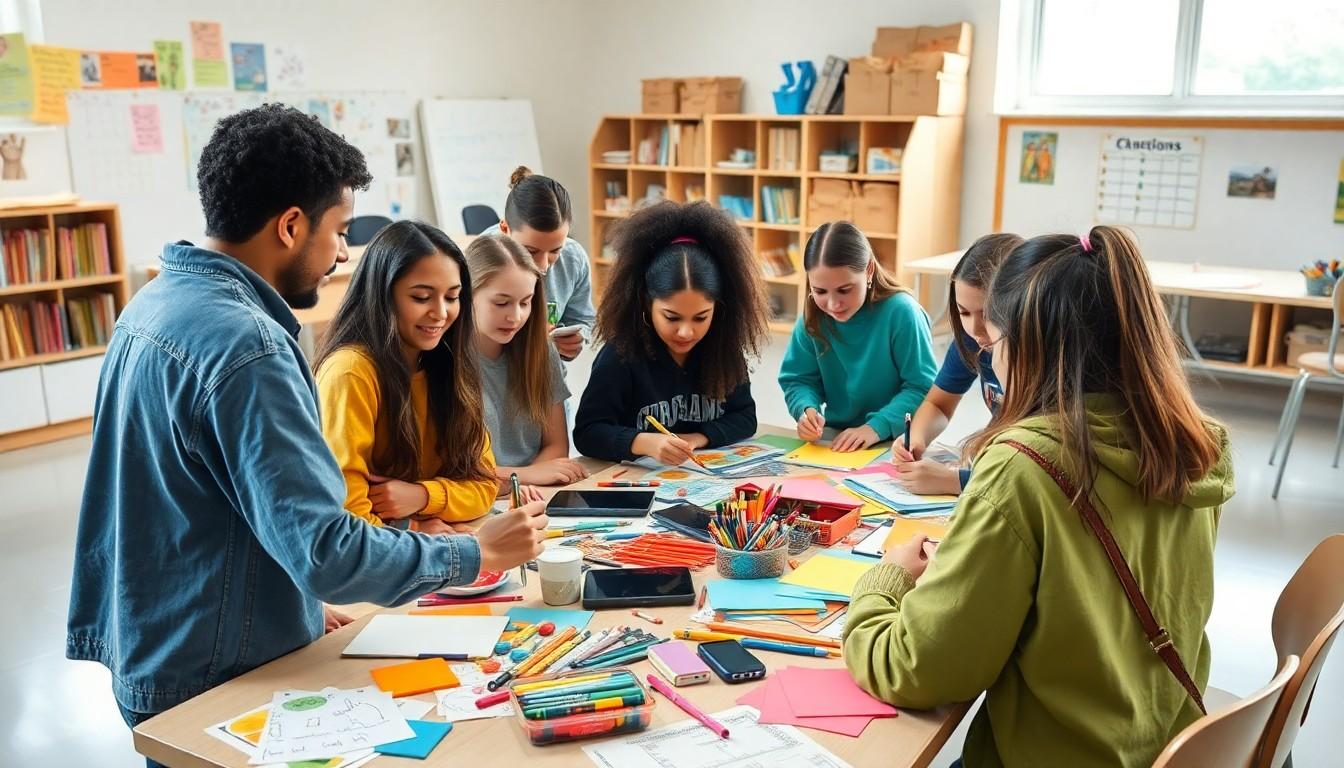
In a world where traditional classrooms can feel more like prisons than places of inspiration, creative learning experiences burst onto the scene like a confetti cannon at a dull party. These innovative approaches transform mundane lessons into exhilarating adventures, making education not just a necessity but a joy. Imagine students diving into projects that spark their imagination while they learn—it’s like discovering the secret sauce of engagement!
Understanding Creative Learning Experiences
Creative learning experiences engage students by transforming traditional lessons into dynamic, collaborative activities. These experiences promote critical thinking and problem-solving, fostering a supportive environment for imaginative exploration.
Definition and Importance
Creative learning experiences focus on innovative teaching methods that encourage exploration and self-expression. They’re essential because they nurture students’ creativity and adaptability. When students encounter open-ended tasks or interdisciplinary projects, their engagement levels rise. Increased engagement often leads to improved retention of knowledge. Research indicates that immersive learning environments can enhance motivation and inspire learners to pursue lifelong learning.
Key Components
Key components of creative learning experiences include collaboration, real-world connections, and active participation. Collaboration among peers stimulates diverse perspectives and nurtures teamwork skills. Real-world connections demonstrate the relevance of concepts, enabling students to apply learning in practical contexts. Active participation allows students to take ownership of their educational journey. When students are involved in their learning process, they develop critical skills like independence and resilience, which are crucial for future success.
Benefits of Creative Learning Experiences
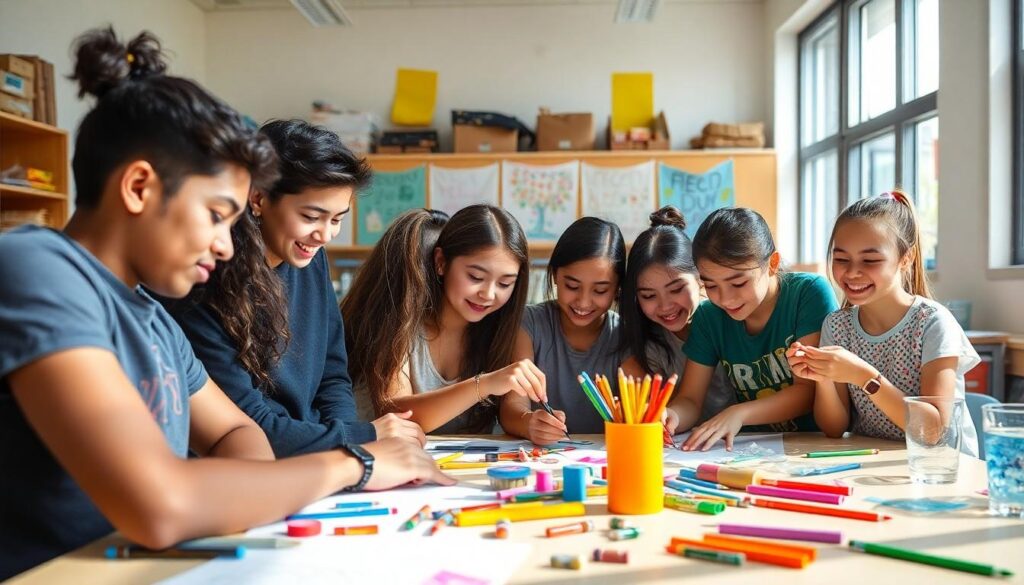
Creative learning experiences offer numerous advantages for students. They not only boost motivation but also reshape the educational landscape.
Enhanced Engagement
Active participation drives student engagement. When educators incorporate creative elements, enthusiasm for learning increases significantly. Students find joy in activities that invite them to explore concepts through hands-on experiences. They connect knowledge with real-world applications, fostering a deeper understanding. Group projects enhance social interaction, making learning a collaborative endeavor. In turn, increased interaction promotes student ownership of their educational journey. Research indicates that engaged learners retain information better and are more likely to pursue ongoing education.
Development of Critical Skills
Creative learning experiences foster crucial skills essential for future success. Problem-solving abilities improve as students tackle open-ended tasks. Innovative thinking emerges when students explore diverse perspectives and solutions. Communication skills develop through collaboration and presentation of ideas. Adaptability becomes vital as they navigate unexpected challenges during projects. Critical thinking also enhances with tasks that require analysis and evaluation of information. According to studies, these skills prepare students for real-world environments, ensuring they are equipped for evolving job markets.
Implementing Creative Learning Experiences
Implementing creative learning experiences requires a blend of innovative techniques and supportive technologies that engage students actively.
Techniques and Strategies
Project-based learning emphasizes hands-on activities that allow students to explore real-world challenges. Group discussions encourage the exchange of ideas, fostering collaboration among peers. Incorporating role-playing can deepen understanding of complex subjects and promote empathy. Field trips to relevant locations create connections between classroom content and real-life applications. Creative brainstorming sessions present opportunities for students to generate unique solutions to problems, enhancing critical thinking skills.
Technologies to Support Creativity
Digital tools play a significant role in enhancing creative learning. Interactive whiteboards facilitate group collaboration, allowing students to share ideas dynamically. Educational apps provide platforms for gamified learning experiences, increasing motivation. Virtual reality immerses students in engaging simulations, making abstract concepts tangible. Online collaboration tools support teamwork, enabling students to work together seamlessly, no matter their location. Using these technologies effectively fosters an environment where creativity thrives and learning becomes an exciting adventure.
Case Studies of Creative Learning Experiences
Numerous case studies highlight the impact of creative learning experiences across various educational settings. These success stories illustrate how innovative methodologies can transform standard curricula into immersive learning adventures.
Success Stories in Education
One notable example comes from an elementary school that implemented project-based learning. Students collaborated on a community gardening project, which not only facilitated teamwork but also engaged critical thinking. As they researched plant growth and sustainability, they developed a deeper understanding of environmental science. Another case involves a high school utilizing role-playing to teach historical events. Students embodied historical figures, leading to increased empathy and greater retention of the material. These experiences demonstrate the effectiveness of creative approaches in enhancing learning outcomes.
Examples in Corporate Training
In the corporate world, creative learning experiences have also made a significant impact. A software company adopted gamification techniques to train employees. By using competitive team challenges, employees improved their skills while enjoying the process. Another example features a healthcare organization hosting simulation-based training for new hires. Participants practiced real-life scenarios in a safe environment, enhancing their decision-making skills. These examples showcase how companies leverage innovative methods to improve training effectiveness and employee engagement.
Conclusion
Creative learning experiences play a crucial role in shaping engaged and motivated learners. By moving away from traditional methods and embracing innovative approaches, educators can inspire students to take charge of their educational journeys. This transformation not only enhances knowledge retention but also equips students with essential skills for the future.
The integration of collaboration, real-world connections, and active participation fosters an environment where creativity can flourish. As demonstrated through various case studies, these experiences lead to improved outcomes in both educational and corporate settings. Embracing creative learning is not just a trend; it’s a vital step toward preparing students for the challenges of tomorrow.