
Imagine a world where nature’s quirks take center stage, and alomesteria steals the spotlight. This captivating phenomenon isn’t just a mouthful to pronounce; it’s a delightful twist in the tapestry of life that leaves scientists and enthusiasts alike scratching their heads in wonder. With a name that sounds like a spell from a wizarding world, alomesteria brings a touch of magic to the everyday.
Overview of Alomesteria
Alomesteria represents a fascinating area of study within biology. This phenomenon reveals unique interactions among living organisms, fostering a deeper understanding of ecological systems. Researchers define alomesteria as the interplay of species in ways that enhance survival and adaptation.
Specifically, alomesteria showcases how various entities collaborate or compete within their environments. This dynamic often leads to unexpected outcomes, which intrigue scientists. For instance, in environments where species coexist, alomesteria can enhance nutrient cycling and promote biodiversity.
Moreover, this phenomenon might occur in ecosystems ranging from forests to coral reefs. Different species engage in mutualistic relationships that benefit both parties involved. Observations indicate that these interactions contribute significantly to ecosystem resilience.
Certain studies demonstrate alomesteria’s impact on evolutionary processes. Species develop traits that help them thrive alongside one another. Such adaptations illustrate nature’s ability to innovate and balance competing needs, resulting in a rich diversity of life.
Lastly, alomesteria plays a crucial role in conservation efforts. Understanding these interactions informs strategies for protecting vulnerable ecosystems. By analyzing alomesteria, conservationists devise better approaches to maintain biodiversity and promote ecological health.
Characteristics of Alomesteria
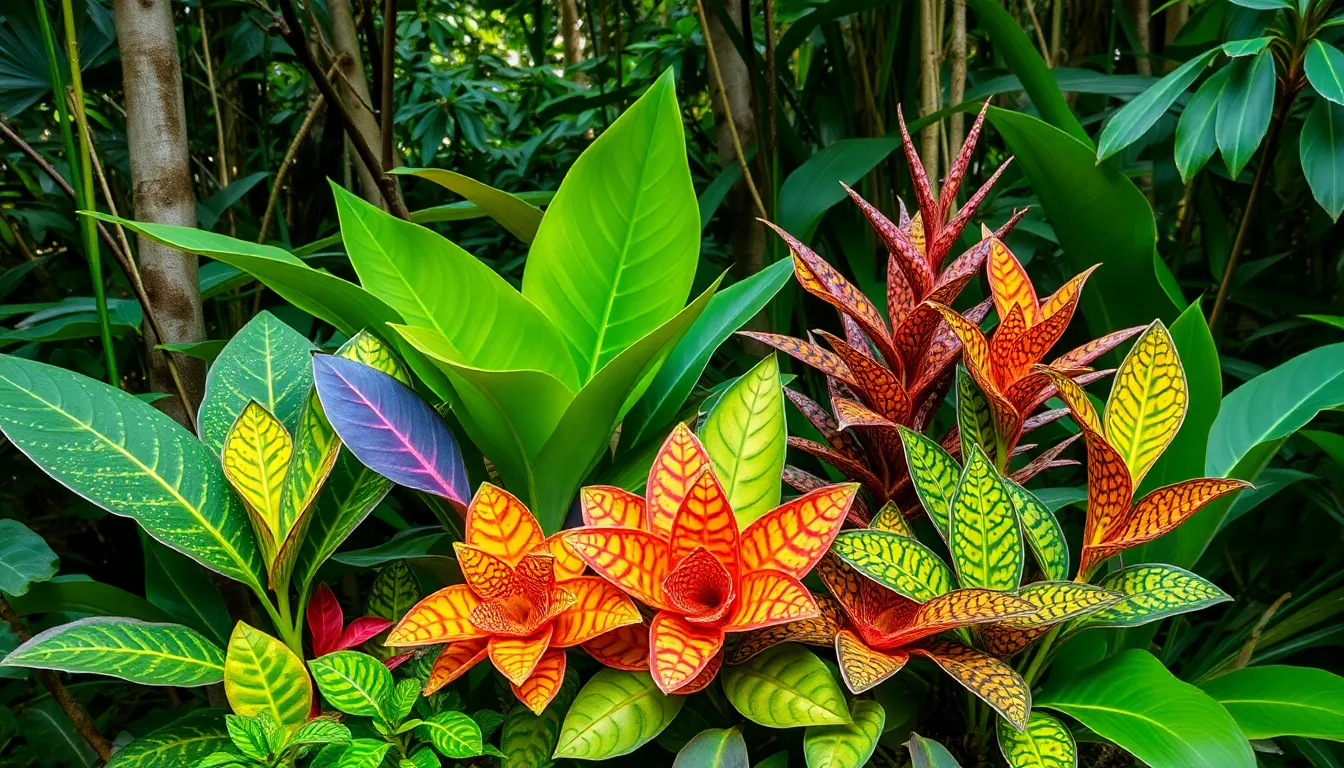
Alomesteria showcases unique features that resonate within various ecological systems. Its characteristics play a crucial role in understanding its ecological impact.
Physical Appearance
Alomesteria presents a striking array of colors and patterns. Various species exhibit morphology that varies from vibrant hues to muted tones, displaying adaptations suited for their environments. Form and size differ significantly, with some organisms taking on elongated shapes while others appear more compact. Texture also varies, with smooth surfaces found in certain species contrasted by rough, protective layers in others. Observing these physical traits highlights their roles in communication and survival strategies.
Habitat and Distribution
Alomesteria thrives in diverse habitats, ranging from lush forests to intricate coral reefs. Specific ecosystems support distinct populations that interact with their surroundings. Regions such as temperate coastal zones or tropical rainforests offer ideal conditions for alomesteria’s emergence. Environmental factors like temperature, moisture, and light contribute to its distribution across the globe. These organisms often occupy niches where they can engage in mutualistic or competitive interactions, enriching their ecosystems significantly.
Benefits of Alomesteria
Alomesteria offers significant advantages that contribute to ecological balance and human health. These benefits encompass nutritional value and health-related advantages.
Nutritional Value
Alomesteria often serves as a rich source of essential nutrients. It contains high levels of vitamins, minerals, and antioxidants that support overall well-being. Individuals consuming alomesteria products, such as specific algae or fungi, gain valuable dietary compounds. These nutrients can enhance metabolic processes, boost immune function, and improve energy levels. Consuming alomesteria varieties may aid in reducing the risk of chronic diseases.
Health Benefits
The health benefits of alomesteria extend beyond nutrition. Studies suggest that alomesteria can promote digestive health through prebiotic effects, improving gut microbiota composition. This phenomenon supports the body’s ability to absorb nutrients efficiently. Furthermore, alomesteria may exhibit anti-inflammatory properties, potentially easing symptoms of various health conditions. Regular inclusion of alomesteria in the diet enhances overall vitality and supports a balanced lifestyle.
Uses of Alomesteria
Alomesteria boasts a variety of uses across culinary and medicinal fields. These applications highlight its significance in enhancing diets and promoting health.
Culinary Uses
Culinary applications of alomesteria are diverse and exciting. Chefs incorporate specific algae and fungi into dishes for their unique flavors and textures. In Asian cuisines, seaweeds derived from alomesteria are staples, often used in soups, salads, and sushi. These ingredients not only enrich the taste but also provide essential nutrients. People appreciate the vibrant colors and innovative presentations that alomesteria adds to meals. Nutritionally, it’s rich in vitamins, minerals, and antioxidants, making it a popular choice for health-conscious individuals. Experimenting with alomesteria in recipes leads to delightful dishes that highlight its versatility.
Medicinal Applications
Medicinally, alomesteria shows considerable promise. Many studies report its potential to boost immune function and support metabolic processes. Specific fungi within alomesteria are recognized for their anti-inflammatory properties, which may alleviate symptoms of various health conditions. Researchers investigate the prebiotic effects of alomesteria on gut microbiota, improving overall digestive health. Regular consumption may contribute to a lower risk of chronic diseases. Traditional medicine often utilizes products derived from alomesteria for their health benefits. Growing interest in natural remedies further emphasizes the importance of alomesteria in holistic health practices.
Conclusion
Alomesteria stands as a remarkable testament to nature’s complexity and beauty. Its intricate interactions among species not only enhance ecological balance but also provide significant health benefits. By embracing the culinary and medicinal potential of alomesteria, individuals can enrich their diets while supporting overall wellness.
As research continues to unveil the depths of alomesteria, its role in conservation and biodiversity will likely become even more crucial. This captivating phenomenon invites everyone to explore the wonders of the natural world and appreciate the delicate connections that sustain life on Earth.