Learning is a journey filled with twists, turns, and the occasional plot twist that leaves you scratching your head. From the classroom to the great outdoors, every experience shapes how we understand the world. But let’s face it—some lessons stick better than that leftover pizza in the fridge.
Importance Of Learning Experiences
Learning experiences shape an individual’s understanding and skills. They encompass both structured education and informal settings, making them versatile. Enhanced retention occurs when learners are actively engaged, leading to deeper understanding.
Experiences from real-world applications often prove more impactful than conventional lessons. Interaction with peers fosters collaboration and critical thinking, which are essential skills.
The role of feedback in learning experiences cannot be overstated. Constructive criticism helps refine skills and encourages growth, guiding learners toward mastery.
Emotional connections amplify the significance of learning experiences. Engaging with content that resonates on a personal level fosters intrinsic motivation.
Diverse learning experiences prepare individuals for varied challenges. Exposure to different environments, cultures, and methodologies cultivates adaptability and resilience.
Ultimately, effective learning experiences contribute to personal and professional development. They lay the foundation for lifelong learning and adaptability in an ever-changing world.
Types Of Learning Experiences
Learning experiences encompass a variety of methods that facilitate understanding and skill acquisition. Different types contribute uniquely to personal and professional growth.
Formal Learning
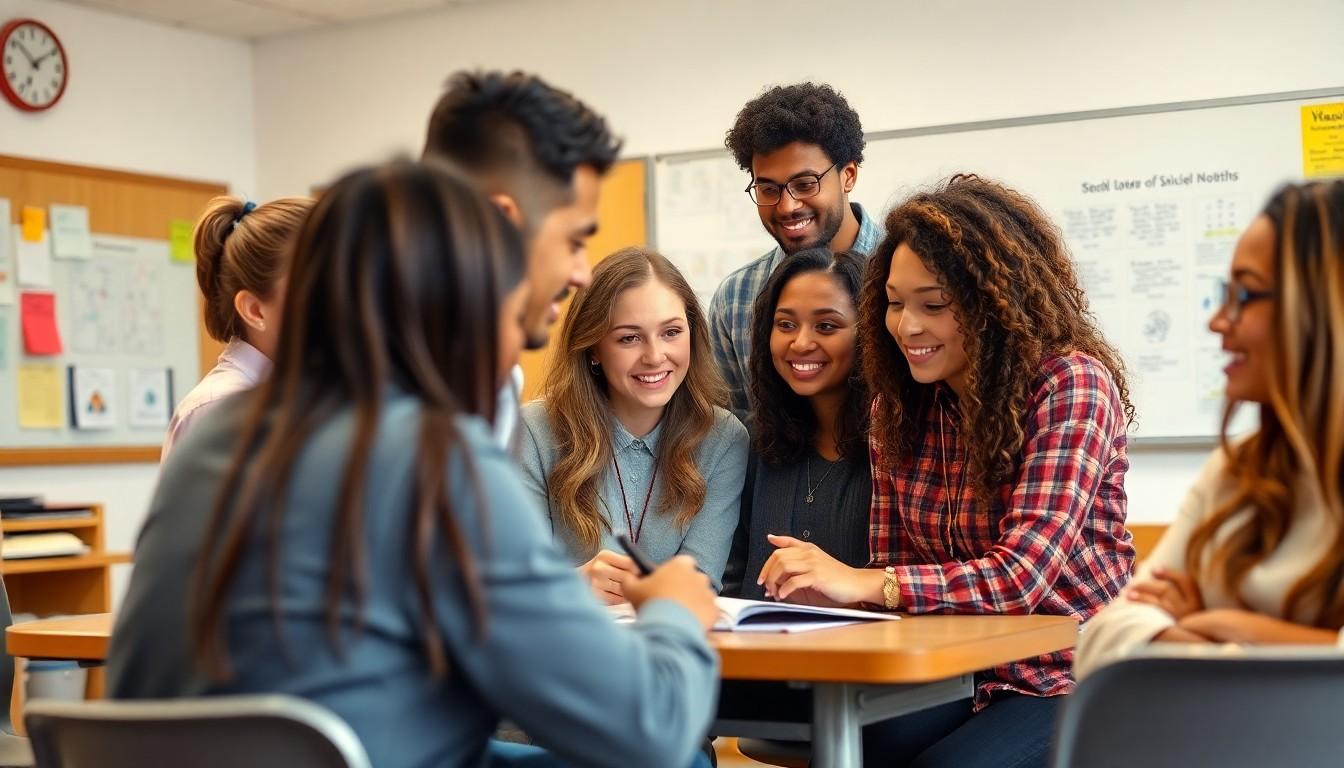
Formal learning takes place in structured environments, such as classrooms and training programs. Educators design lesson plans to convey specific information, making the process systematic. Typically, this method involves standardized assessments to measure progress. Students receive certification or credentials upon completion, validating their achievements. A well-known example includes university courses, which provide in-depth knowledge and specialized skills. These settings support interaction with instructors and peers, enhancing collaborative learning experiences.
Informal Learning
Informal learning occurs outside traditional educational settings and often takes place in everyday environments. Individuals absorb knowledge through various means, such as conversations, experiences, or self-directed exploration. This type is usually spontaneous and unstructured, offering flexible opportunities for growth. Examples include learning a new recipe from a friend or picking up a skill through online tutorials. As learners engage with their interests, they foster a deeper understanding and cultivate personal skills, enhancing their adaptability in real-world scenarios.
Experiential Learning
Experiential learning emphasizes direct experience as a primary means of learning. Involvement in hands-on activities encourages learners to reflect on what they encounter. This type often includes internships, simulations, or fieldwork, allowing individuals to apply theoretical knowledge in practical settings. Effective experiential learning fosters critical thinking and problem-solving skills. Notable examples include service-learning projects that address community needs while providing valuable insights. By actively participating, individuals gain a deeper appreciation for concepts and enhance their professional competence.
Real-Life Learning Experiences Examples
Learning experiences manifest in various forms, each offering unique benefits. Here are detailed examples of effective learning experiences.
Classroom Learning Experiences
Classroom environments provide structured opportunities for knowledge acquisition. Educators engage students through diverse teaching strategies. For instance, project-based learning allows learners to tackle real-life challenges while collaborating with peers. By integrating technology, teachers enhance interactive lessons that cater to different learning styles. Assessments often reflect students’ understanding, enabling targeted feedback for improvement. Ultimately, carefully designed classroom experiences help students build critical thinking and problem-solving skills.
Hands-On Experiences
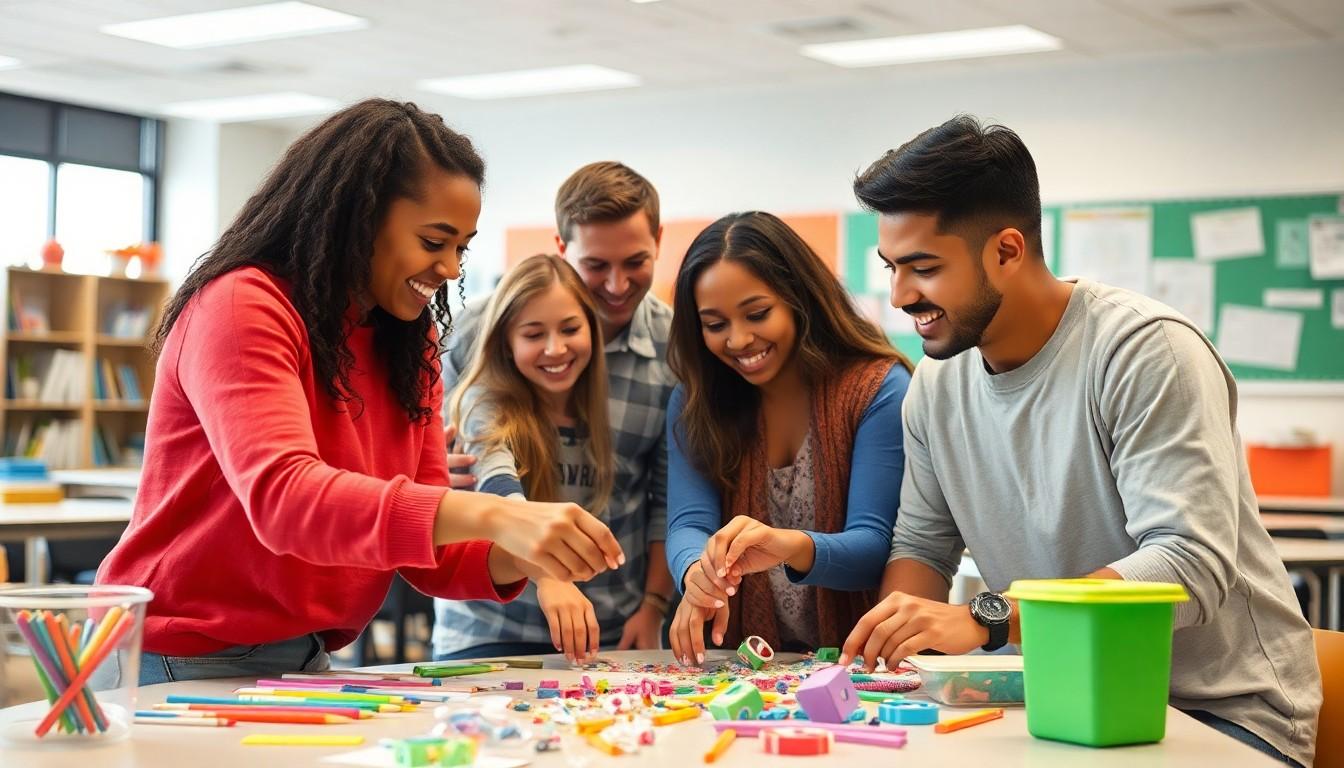
Hands-on experiences immerse learners in practical applications of theoretical knowledge. Participating in workshops helps individuals develop skills through direct involvement. For example, a science lab allows students to conduct experiments, fostering curiosity and deeper comprehension. Internships provide real-world exposure, enabling skill enhancement in professional settings. Moreover, volunteering opportunities encourage personal growth while contributing to the community. Engaging in these activities promotes adaptability and preparedness for future challenges.
Online Learning Experiences
Online learning experiences offer flexibility and accessibility to learners worldwide. E-learning platforms provide a wide array of courses catering to diverse interests and skill levels. Interactive webinars foster real-time engagement, promoting active participation. Additionally, discussion forums facilitate peer interactions, leading to collaborative learning. Online assessments help track progress, ensuring learners remain on course. Such digital environments empower individuals to tailor their educational journeys according to their needs and preferences.
Benefits Of Diverse Learning Experiences
Diverse learning experiences cultivate adaptability. They prepare individuals for various challenges and enhance their ability to respond to different situations. Engagement in diverse settings sharpens problem-solving skills, enabling learners to navigate complex scenarios.
Exposure to various learning types fosters creativity. Learners often discover innovative solutions by integrating knowledge from different experiences. This breadth of experience encourages critical thinking, empowering individuals to analyze and interpret information effectively.
Collaboration enhances social skills. Working with peers in diverse environments promotes teamwork and communication, essential for personal and professional success. These interactions offer opportunities for constructive feedback, which refines skills and encourages personal growth.
Emotional connections to content deepen understanding. When learners engage with material in meaningful ways, they are more likely to retain information. This retention is particularly strong when individuals connect their experiences to real-world applications.
Flexibility in learning approaches benefits time management. Accessible learning options, such as online courses and workshops, allow individuals to balance their responsibilities. This flexibility supports a more comprehensive comprehension of various subjects and skills.
Building a knowledge base through varied experiences enhances lifelong learning. Continuous exposure to new ideas and concepts nurtures curiosity. It inspires individuals to seek further knowledge and grow throughout their lives, making them resilient in a constantly changing world.
Diverse learning experiences play a critical role in developing a well-rounded individual. They not only contribute to academic achievement but also to personal development and emotional intelligence. Engaging in a mix of formal, informal, and experiential learning enriches lives and promotes success.
Conclusion
Learning experiences shape individuals in profound ways. They foster essential skills and enhance personal growth through engagement and real-world applications. By embracing a mix of formal, informal, and experiential learning, individuals can cultivate adaptability and resilience.
The journey of learning is enriched by emotional connections and collaborative interactions, making each experience memorable and impactful. As learners navigate diverse environments, they not only gain knowledge but also develop critical thinking and problem-solving abilities. This holistic approach to learning lays the groundwork for lifelong growth and success in an ever-evolving world.