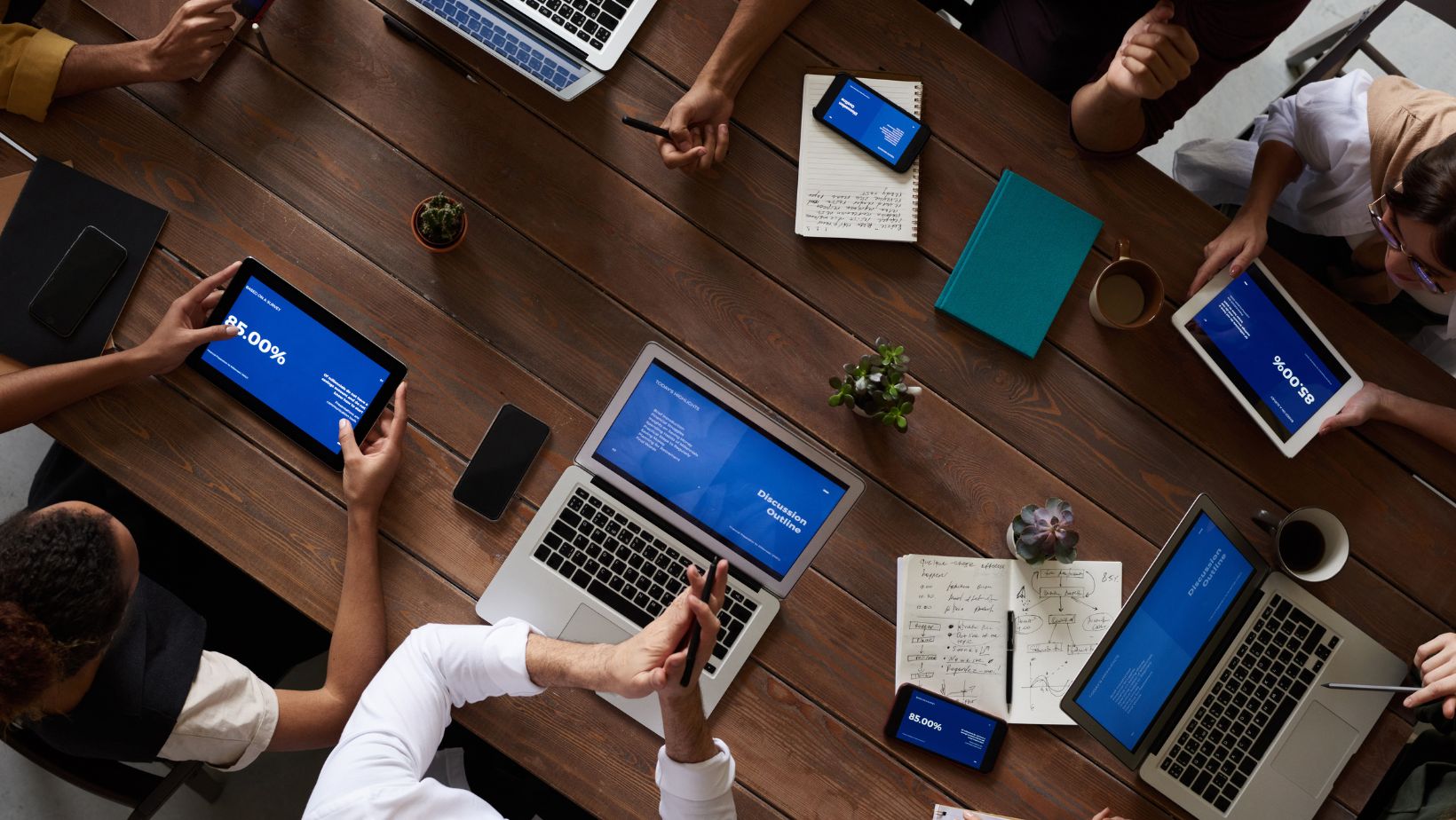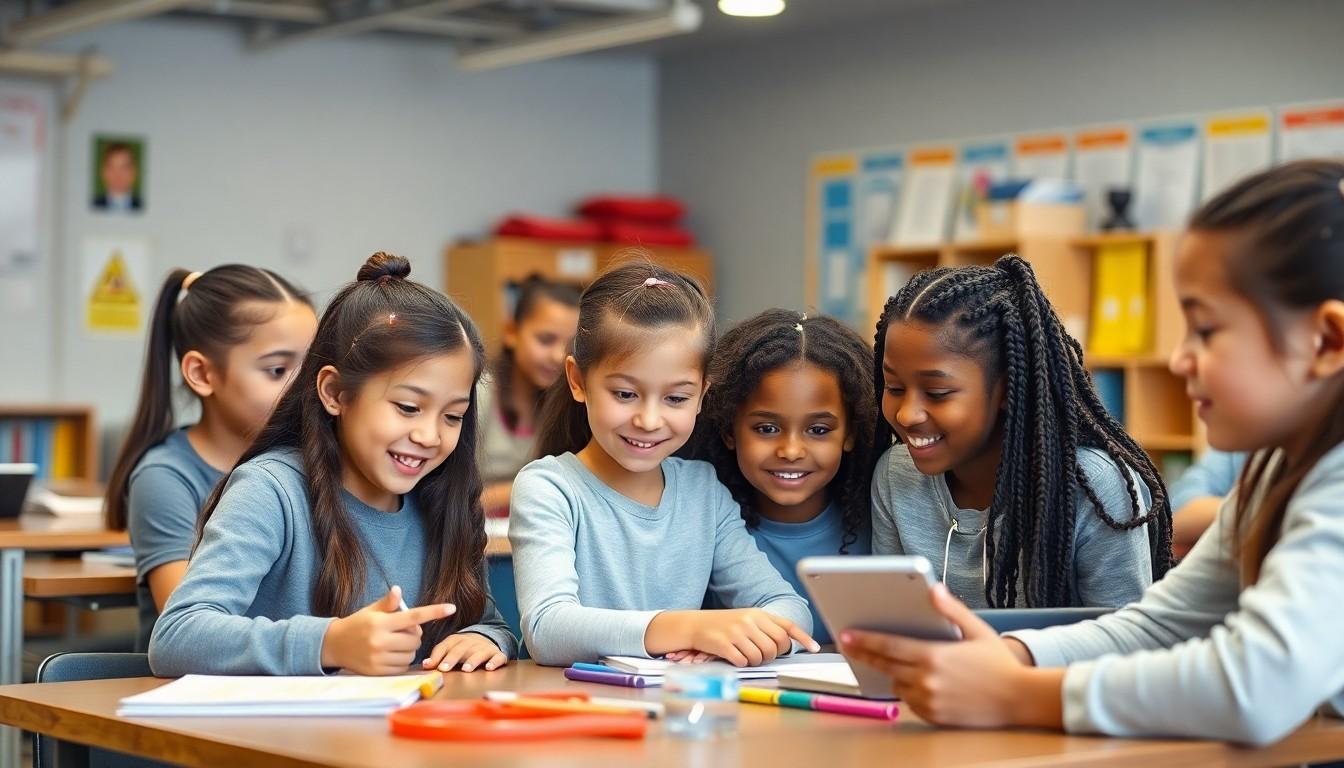
In an age where one-size-fits-all solutions are about as popular as a flat tire, personalized learning experiences are stealing the spotlight. Imagine a classroom where every student gets a tailored approach that fits them like a glove—no more struggling through lessons that feel like deciphering ancient hieroglyphics. Instead, they’re engaging with material that resonates with their unique interests and learning styles.
Personalized learning isn’t just a buzzword; it’s a game-changer. It transforms education from a monotonous chore into an exciting journey of discovery. With technology at their fingertips, educators can now create customized pathways that make learning feel less like a marathon and more like a fun sprint. Let’s dive into how personalized learning experiences can ignite passion and drive success in today’s learners, proving that education can be as dynamic as the students themselves.
Understanding Personalized Learning Experiences
Personalized learning experiences focus on tailoring education to meet individual needs. They shift the traditional methods to dynamic approaches that enhance student engagement.
Definition of Personalized Learning
Personalized learning centers on customizing educational experiences. This method considers each student’s interests, strengths, and learning preferences. It utilizes technology to develop unique pathways for knowledge acquisition. Students can progress at their own pace, ensuring mastery of concepts. Adaptive learning platforms often support this strategy by adjusting content in real-time based on performance.
Importance in Education
Importance in education stems from enhancing student engagement and achievement. Personalized learning fosters motivation by aligning curricula with students’ interests. Research indicates that students perform better when learning paths suit their individual needs. It encourages critical thinking and problem-solving skills through relevant experiences. Furthermore, this approach prepares learners for real-world challenges by developing their adaptability and resilience.
Benefits of Personalized Learning Experiences
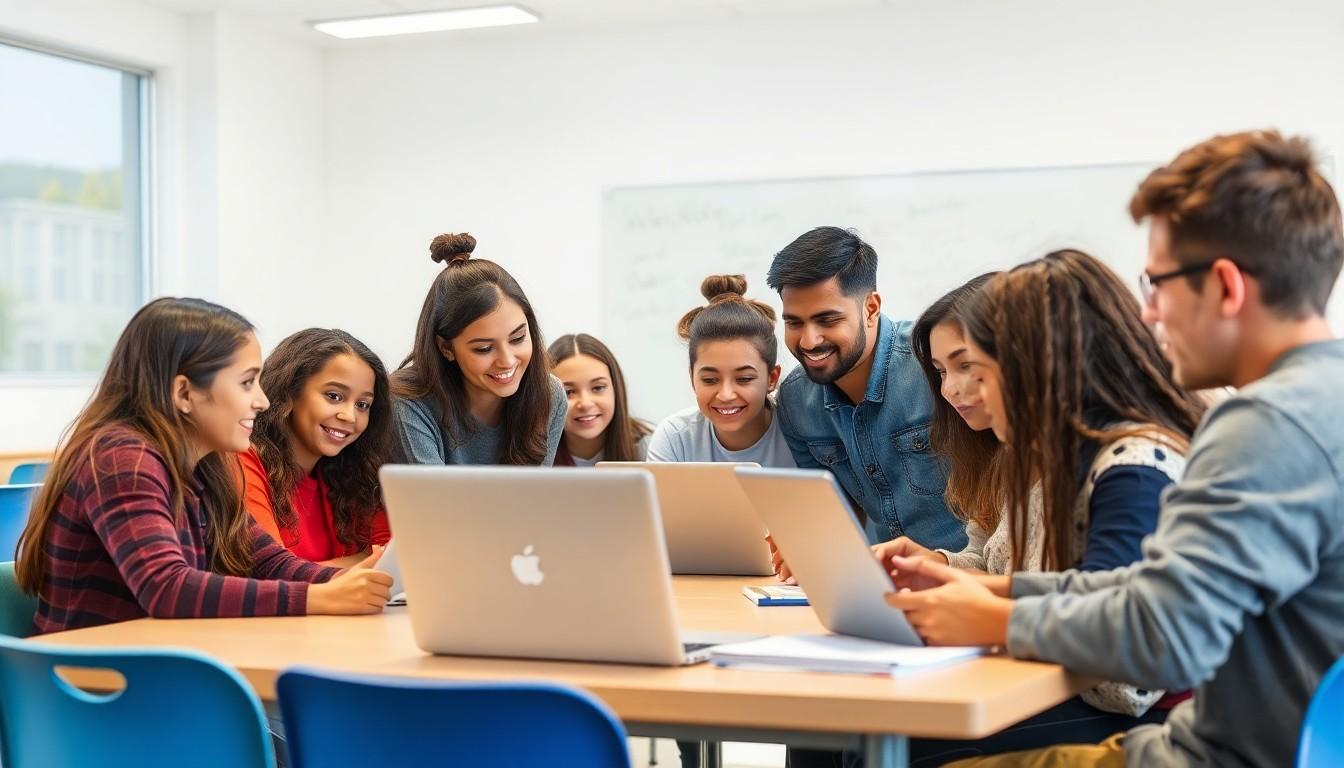
Personalized learning experiences offer substantial advantages that significantly enhance educational outcomes. Tailoring education to fit each student’s unique requirements fosters an environment where they can thrive.
Tailored Curriculum
A tailored curriculum aligns instructional materials with individual student strengths. Customizing content ensures that learners engage with subjects they find most interesting. Flexibility in pacing allows students to master concepts before progressing further, leading to a deeper understanding of the material. Specific learning goals address various learning styles, accommodating auditory, visual, and kinesthetic learners. Adapting assessments to match students’ comprehension levels increases the likelihood of academic success. This targeted approach enables a continuous feedback loop, allowing educators to refine strategies for personalized growth.
Enhanced Student Engagement
Enhanced student engagement results from personalized learning that resonates with each learner. Students invested in their learning experiences demonstrate higher motivation and participation in the classroom. Tailored content connected to students’ interests captures attention more effectively than standard lessons. Interactive technologies further amplify engagement by providing instant feedback and gamified elements. Collaborative projects tailored to personal strengths promote teamwork and communication skills. The culmination of these factors fosters a dynamic learning atmosphere that encourages curiosity and enthusiasm for knowledge.
Strategies for Implementing Personalized Learning Experiences
Implementing personalized learning experiences involves strategic approaches that leverage technology and data analysis to enhance student engagement.
Technology Integration
Integrating technology is essential for creating personalized learning environments. Adaptive learning platforms adjust content in real-time, customizing experiences based on student performance. Educators can utilize learning management systems to offer a variety of resources tailored to individual interests. Gamification elements enhance motivation, engaging students in interactive learning experiences. Moreover, online collaboration tools foster communication among peers and instructors, allowing for personalized feedback and support. These digital resources empower students to take control of their learning journeys, making education more accessible and enjoyable.
Data-Driven Decision Making
Using data-driven decision making for personalized learning allows educators to track student progress effectively. Collecting data on individual performance, learning preferences, and areas needing improvement informs instructional strategies. Analytics tools can reveal patterns in student behavior, guiding interventions to support diverse learning needs. Teachers benefit from insights that help tailor lessons, ensuring alignment with each student’s unique pathways. Consistent monitoring promotes timely adjustments, enabling timely support that enhances student mastery. By prioritizing data analysis, schools create environments conducive to individualized learning, ultimately driving academic success.
Challenges in Personalized Learning Experiences
Personalized learning experiences face several challenges that can hinder their effectiveness. These challenges include resource limitations and the need for teacher training.
Resource Limitations
Funding constraints frequently impact the availability of resources necessary for personalized learning. Schools often lack access to technology such as adaptive learning platforms or high-quality digital content. Limited budgets can restrict the purchase of individualized learning tools and materials. Additionally, infrastructure issues may hinder the implementation of technology in classrooms. Without adequate resources, creating tailored learning environments becomes increasingly difficult, thereby affecting student engagement and outcomes.
Teacher Training and Support
Inadequate teacher training poses another significant challenge in implementing personalized learning. Many educators lack the skills needed to effectively use technology and adapt instruction to meet diverse student needs. Professional development opportunities addressing personalized learning strategies often remain scarce. Support systems must be strengthened to guide teachers in utilizing data effectively for personalized instruction. When educators receive proper training, they can create more effective personalized experiences, directly impacting student success.
Conclusion
Personalized learning experiences represent a transformative shift in education. By focusing on individual needs and interests, this approach not only enhances engagement but also fosters a deeper understanding of concepts. As educators embrace technology and data-driven strategies, they create dynamic environments that cater to diverse learning styles.
While challenges exist in implementing personalized learning, the potential benefits far outweigh the obstacles. With proper support and training, teachers can effectively harness these strategies to drive student success. Ultimately, personalized learning is not just a trend; it’s a necessary evolution that prepares students for the complexities of the modern world.