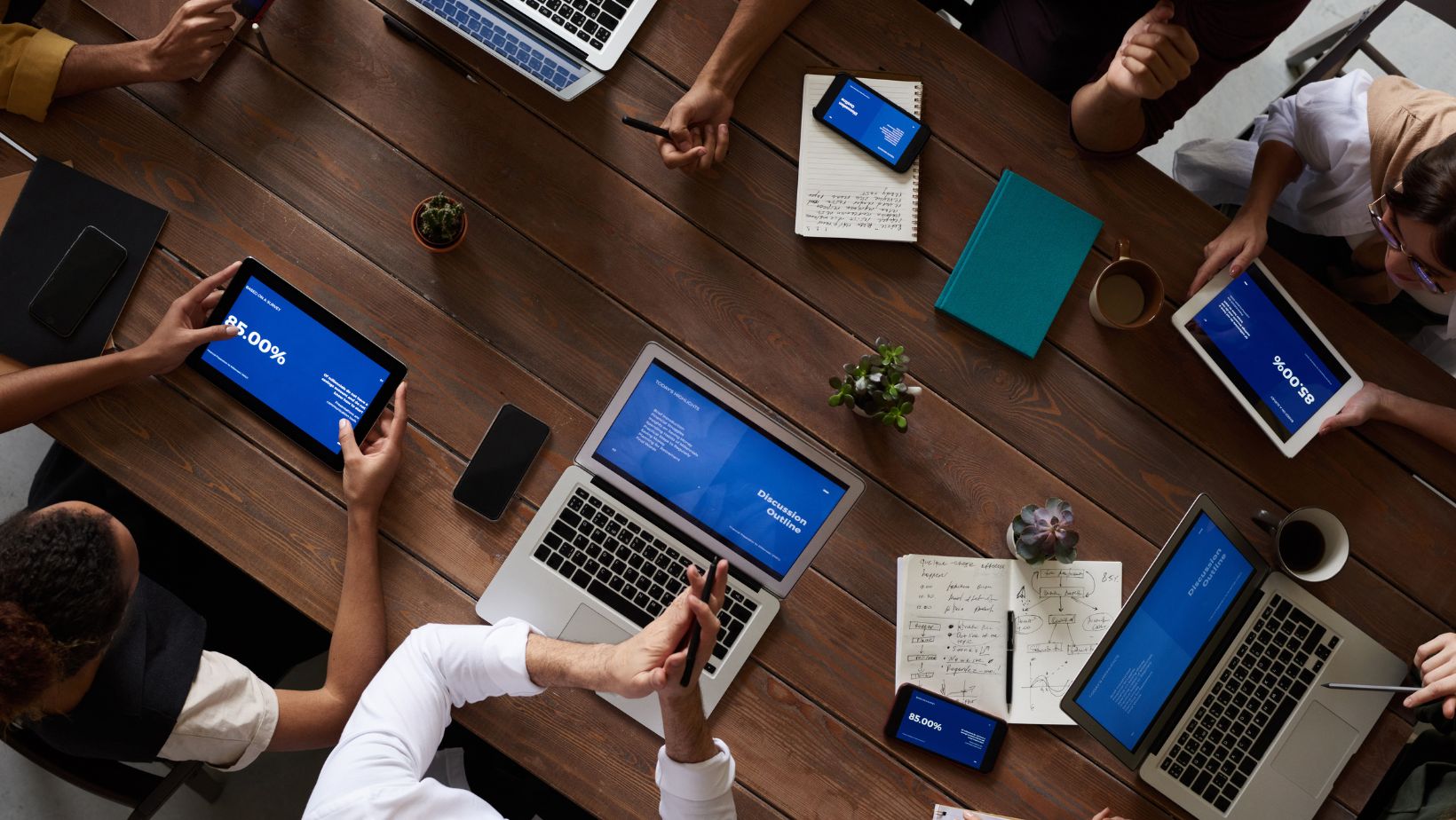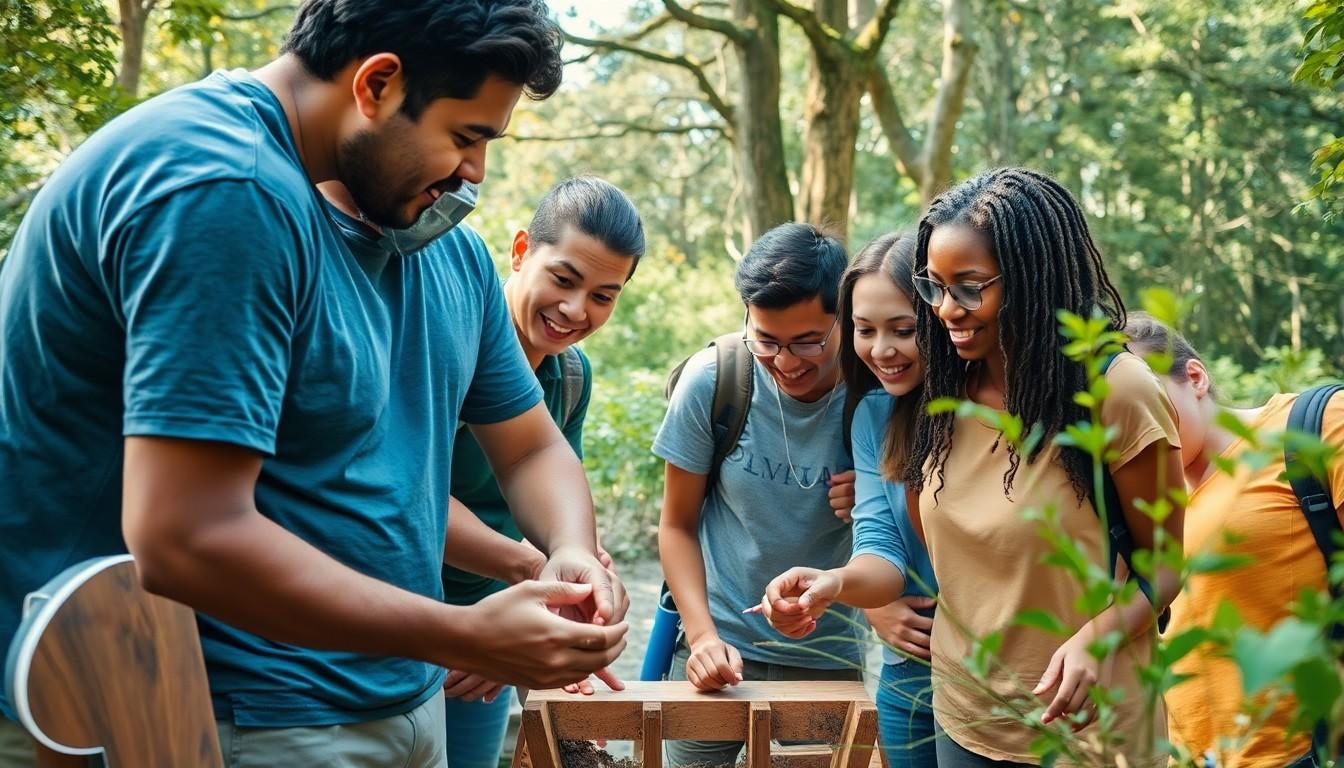
Learning isn’t just about hitting the books and memorizing facts. It’s a thrilling adventure filled with twists, turns, and maybe a few plot holes. From hands-on experiences that make you feel like a mad scientist to virtual classrooms where you can wear pajama pants while mastering calculus, the types of learning experiences are as diverse as a buffet line at a food festival.
Whether you’re a visual learner who thrives on colorful diagrams or an auditory learner who loves a good podcast, each experience offers something unique. So buckle up and get ready to explore the fascinating world of learning styles that’ll not only expand your mind but might just make you the life of the party—because who doesn’t want to drop some knowledge bombs at the next gathering?
Overview of Learning Experiences
Learning experiences encompass a wide range of activities beyond conventional studying methods. These experiences include hands-on activities, interactive workshops, and immersive digital environments. Each type of experience caters to varying learning styles, ensuring accessibility for visual, auditory, and kinesthetic learners.
Experiential learning often takes precedence. This approach integrates real-life scenarios to deepen understanding and retention of information. For example, internships and service-learning projects allow students to apply theoretical knowledge in practical settings. These activities enhance engagement through direct involvement.
Online platforms also offer diverse learning experiences. Virtual classrooms and webinars enable participants to connect with experts worldwide. This flexibility provides opportunities for collaboration, allowing learners to share insights and perspectives across different cultures.
Collaborative learning frequently results in enhanced problem-solving skills. Group projects and team discussions encourage learners to share ideas and debate concepts. By prioritizing teamwork, individuals develop communication skills and gain diverse viewpoints on various topics.
Self-directed learning presents another important experience. This method empowers individuals to set their own goals and pursue interests at their own pace. Resources such as online courses, e-books, and podcasts facilitate independent study, allowing learners to tailor experiences to personal preferences.
Blended learning combines traditional and modern techniques effectively. A combination of in-person instruction and online modules creates a cohesive learning environment. This approach offers the benefits of face-to-face interaction alongside the convenience of digital resources.
The landscape of learning experiences proves diverse and adaptable. Prioritizing various methods ensures that individuals engage in a manner that resonates with their unique preferences and needs.
Types of Learning Experiences
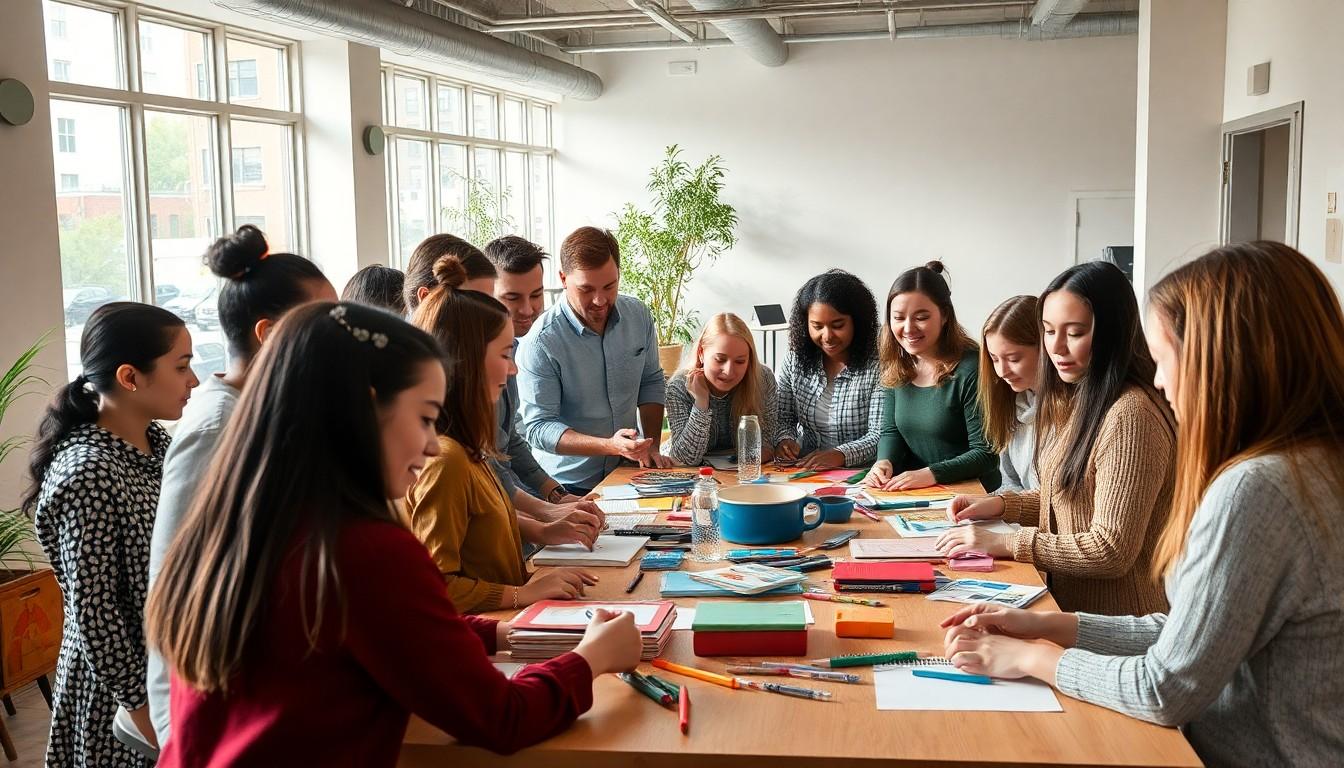
Learning experiences come in various forms, each offering unique benefits. These include formal, informal, and non-formal learning.
Formal Learning
Formal learning occurs in structured environments such as schools and universities. Students engage with established curricula and qualified instructors. Typically, this type of learning supports standardized assessments that track progress. Degrees and certifications result from completing formal education. Many find that this structured approach fosters discipline and consistency, essential for mastering complex subjects.
Informal Learning
Informal learning happens outside traditional educational settings. It often includes activities like self-study, family discussions, or workshops. Individuals gain knowledge through life experiences, hobbies, or interacting with peers. This flexible format allows learners to explore topics at their own pace. Many appreciate how informal learning encourages curiosity and personal growth without the pressure of formal assessments.
Non-Formal Learning
Non-formal learning takes place in organized contexts but lacks the rigid structure of formal education. Examples include adult education classes and community programs. These settings prioritize skill development and knowledge acquisition. Participants enjoy the freedom to choose their learning paths while benefiting from expert guidance. Many recognize that non-formal learning remains critical for lifelong learning and professional development.
Experiential Learning
Experiential learning involves engaging directly with experiences to enhance understanding and retention. It emphasizes practical application in real-world scenarios.
Learning by Doing
Learning by doing focuses on active participation in experiences to foster skill acquisition. Activities such as workshops, simulations, and hands-on projects directly engage learners. These methods allow individuals to apply theoretical knowledge in tangible ways. For instance, science experiments provide insight into scientific concepts through direct observation. Real-world scenarios, like internships, enable learners to grasp professional environments while developing specific skills. Engaging actively with material helps improve retention and comprehension.
Reflection in Learning
Reflection in learning plays a crucial role in understanding and personal growth. Analyzing experiences encourages deeper insight into successes and challenges. This process allows individuals to connect new information to prior knowledge. Journaling and group discussions can facilitate meaningful reflections. Such activities encourage learners to identify their strengths and areas for improvement. Taking time to reflect solidifies learning and guides future actions. The integration of reflection into experiential learning enhances the overall educational experience, cultivating critical thinkers.
Technology-Enhanced Learning
Technology-enhanced learning incorporates digital tools and resources to elevate the educational experience. This approach facilitates access to diverse materials and fosters collaboration among learners.
E-Learning Platforms
E-learning platforms provide structured online courses that accommodate various learning styles. They often feature multimedia content, including videos, quizzes, and interactive exercises. Platforms such as Coursera and Udemy connect learners with industry professionals and academic experts. These resources offer flexibility, allowing individuals to learn at their own pace and convenience. Many platforms also support community features, enabling students to engage with peers and instructors. The growth of e-learning has contributed to a more personalized educational experience, meeting the needs of a global audience.
Mobile Learning Applications
Mobile learning applications enhance accessibility by supporting learning on-the-go. Users can engage with educational content anytime, anywhere. Popular applications like Duolingo and Khan Academy offer lessons across various subjects while utilizing gamification to increase motivation. Notifications and progress tracking encourage consistent study habits, making learning more effective. Many applications provide offline access, ensuring that learners can continue their education without relying on internet connectivity. The ability to customize learning paths promotes a tailored experience, accommodating individual preferences and schedules.
Conclusion
Embracing the variety of learning experiences available today can significantly enhance personal and professional growth. By recognizing the value of formal, informal, and non-formal learning, individuals can tailor their educational journeys to fit their unique needs. Engaging in experiential learning, leveraging technology, and fostering collaboration allows for deeper understanding and retention of knowledge.
As learners explore different methods and environments, they not only enrich their skill sets but also cultivate a lifelong passion for learning. This adaptability ensures that education remains relevant and impactful, paving the way for a more informed and connected society.